
Why a Card-Based Hardware Wallet Might Be the Practical Cold Storage Your Crypto Needs
Рубрики: Мы развиваемся
5 Авг 2025Whoa, that caught me off guard. I lost a seed phrase once, and it still stings. Hardware cards changed the game for me and many others. At first I thought a little NFC card couldn’t possibly compete with air-gapped, enthusiast setups that live in safes or deep freezers, but then I realized something important: for most people, usability drives safety more than theoretical perfection does.
Seriously? Yep. My instinct said «this is too simple,» and I pushed back hard. Then I started using these cards in daily workflows, and somethin’ shifted. They feel like handing security a friendlier interface. The friction is lower, so people actually use them, which is very very important.
Okay, so check this out—cards like Tangem and its contemporaries embed keys securely in a tamper-resistant chip, and you tap with your phone to sign a transaction. Hmm… That tactile act of tapping removes a lot of error-prone copy-paste nonsense. On one hand you give up some hobbyist flexibility; on the other hand you get a near-instant, fool-resistant user path for cold storage that most non-experts will actually follow.
I’ll be honest: there are trade-offs. Initially I thought the best path was DIY steel backups plus multisig across different custodians, but then I realized that for many users that plan is just never maintained. Actually, wait—let me rephrase that: multisig is technically superior in many scenarios, though for day-to-day people who want to stop worrying about phishing and lost phrases, a card-based solution is a strong middle ground.
Here’s what bugs me about some marketing. Companies will paint the card as infallible. That’s not true. Cards are great at keeping private keys out of the hostile phone environment, yet they still rely on secure hardware design and honest firmware. A sketchy supply chain or a poor implementation can ruin trust, and that’s exactly where cautious procurement matters.
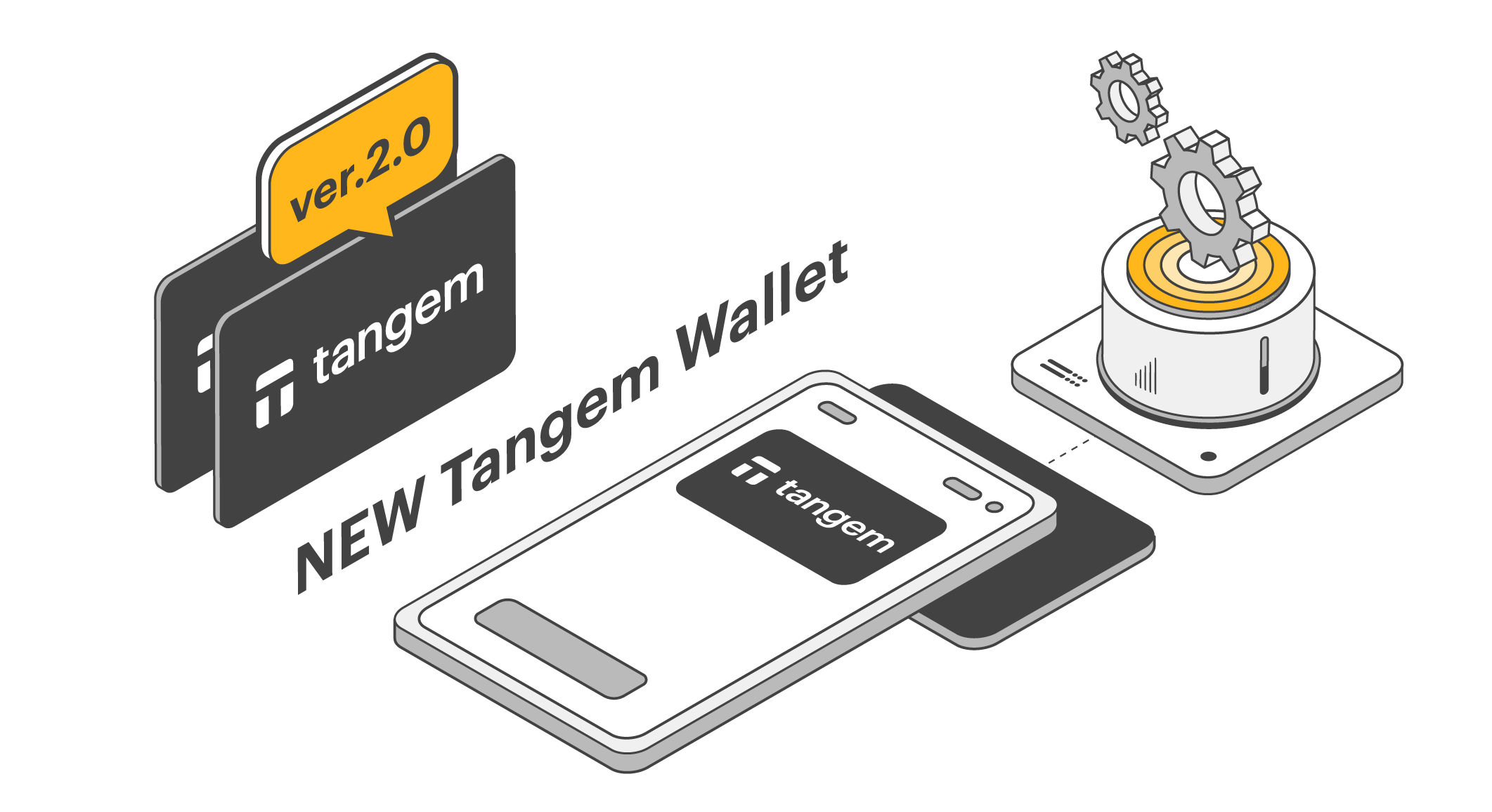
How these cards really work (and why that matters)
Tap. Authenticate. Sign. Done. It sounds almost trivial, though the underlying system uses secure elements that never expose the private key. Initially I thought this meant full invulnerability, but then realized that attack vectors shift: you now worry more about firmware updates, counterfeit units, or social-engineering at the moment someone convinces you to tap into a compromised app.
My practical rule became simple: buy from reputable sources and verify packaging. (Oh, and by the way… keep your card physically secure—most thefts are physical or social in nature.) For those wanting a place to start, I often point folks toward real-world tested options, like the Tangem family—here’s a straightforward link for context: tangem wallet. But even recommending a brand has caveats; you must understand the model’s assumptions and whether it fits your threat model.
On usability—people underappreciate how much UX dictates security outcomes. If onboarding is painful, people improvise risky shortcuts. If backup is complex, they skip it. The best cryptographic product is the one people keep using correctly, not the one that looks best on paper. So yeah, I’m biased toward solutions that reduce human error, even if that means conceding some very advanced, low-level features.
One more practical note: backup strategies differ. Some cards support deterministic derivation tied to a seed, others use keys anchored to the hardware itself. That means your recovery plan can be either seed-based or device-turn-in-based, depending on the card. Think about loss scenarios—what if the card is destroyed in a house fire? Or what if it’s stolen? Each model needs a different contingency.
On multi-device strategies. You can pair a card with a multisig approach, though it takes more planning. On one hand, adding multiple cards increases fault tolerance and protects against single-device compromise. On the other hand, complexity increases and I see people drop the ball here. So if you’re going to go multisig, document the playbook somewhere safe and simple—no one will use a system they can’t remember in panic mode.
There’s another human angle that matters: people want immediate reassurance. They want to sign and get on with life. That psychological comfort often translates into better long-term security habits, because they won’t leave coins on exchanges or in ephemeral hot wallets as a «temporary» measure that becomes permanent. The card model helps close that behavioral gap.
Common objections, answered (fast)
“What about firmware attacks?”—Valid. Vendors should offer signed firmware, transparent audits, and supply-chain protections. If they don’t, question them. “Isn’t a seed phrase better?”—Sometimes yes, sometimes no; seeds are flexible but are mishandled all the time. “Can these be used offline?”—They minimize exposure, but many rely on mobile apps for transaction construction, so treat your phone as part of the trust boundary.
On cost: yeah, cards add expense versus a paper backup. Hmm… but consider the cost of recovering from a lost fortune. A few dozen dollars might feel expensive until it’s protecting real value. It comes down to the value you’re protecting and how much hassle you’re willing to accept.
FAQ
Are card-based wallets suitable for long-term cold storage?
Yes, they can be, when paired with a robust backup strategy. For long-term storage, treat the card like a physical bearer instrument: keep it in a safe, have a tested recovery plan, and consider geographic redundancy if the funds are material. I’m not 100% sure every user needs this, but for significant holdings it’s a practical choice.
On my last note—don’t obsess over theoretical perfection at the expense of basic safety. Wallets that are too complex get abandoned. The goal is to pick a model you understand and will actively maintain. Take the time to test recovery procedures. Teach a trusted friend, or at least write down the steps in a secure place. These small actions reduce catastrophic mistakes.
Somethin’ to leave you with: security is social as much as technical. You safeguard your keys, but you also safeguard the habits around them. Keep it simple when simplicity buys you consistency, and be a bit skeptical when a product claims to eliminate all risk. My instinct says a well-designed card, used properly, will prevent more losses than it causes—though yeah, it’s not a miracle.
- Комментарии к записи Why a Card-Based Hardware Wallet Might Be the Practical Cold Storage Your Crypto Needs отключены
Возможность комментирования закрыта модератором.